Cavity Prevention Treatment in Dunedin, FL

Cavity Prevention in Dunedin for Stronger, Healthier Teeth

Most cavities don’t show up overnight. They develop quietly — a little plaque here, a weakened spot in your enamel there — until a tooth that felt perfectly fine starts needing a filling. The good news is that tooth decay is one of the most preventable dental problems there is, especially when you combine solid home habits with the right professional dental care.

At Dunedin Dental Associates, we focus on understanding your individual cavity risk and building a prevention plan that actually fits your life. Whether you’ve been dealing with recurring cavities or you just want to protect the teeth you have, our Dunedin dental team can help you get ahead of decay before it becomes a bigger problem.

Ready to take a proactive step? Schedule a preventive dental visit today.

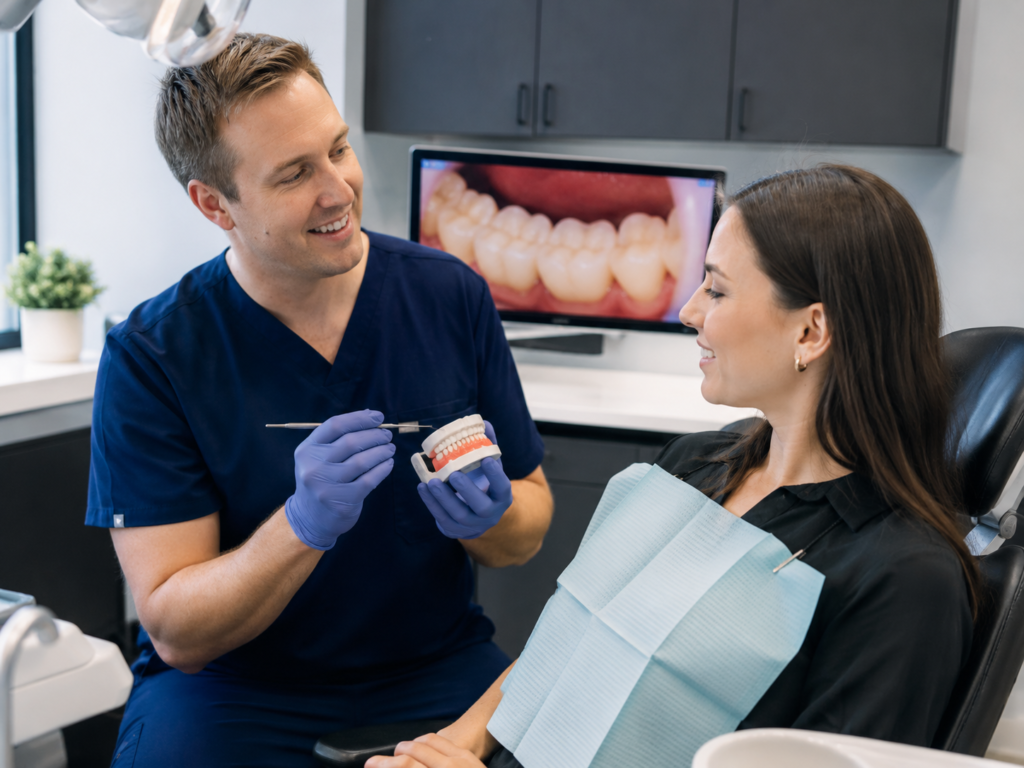
Dentist discussing cavity prevention and tooth decay risk with a patient during a dental consultation

Cavity Prevention at Dunedin Dental Associates

Cavity Risk Goes Beyond Daily Brushing

Brushing twice a day is an essential part of good oral hygiene, but it cannot eliminate every cavity risk. Tooth decay develops through a combination of bacteria, plaque, acids, diet, saliva, and individual factors that affect how well your enamel stays protected.

Common Factors That Increase Cavity Risk

Understanding the conditions that make tooth decay more likely can help you take a more effective approach to prevention.

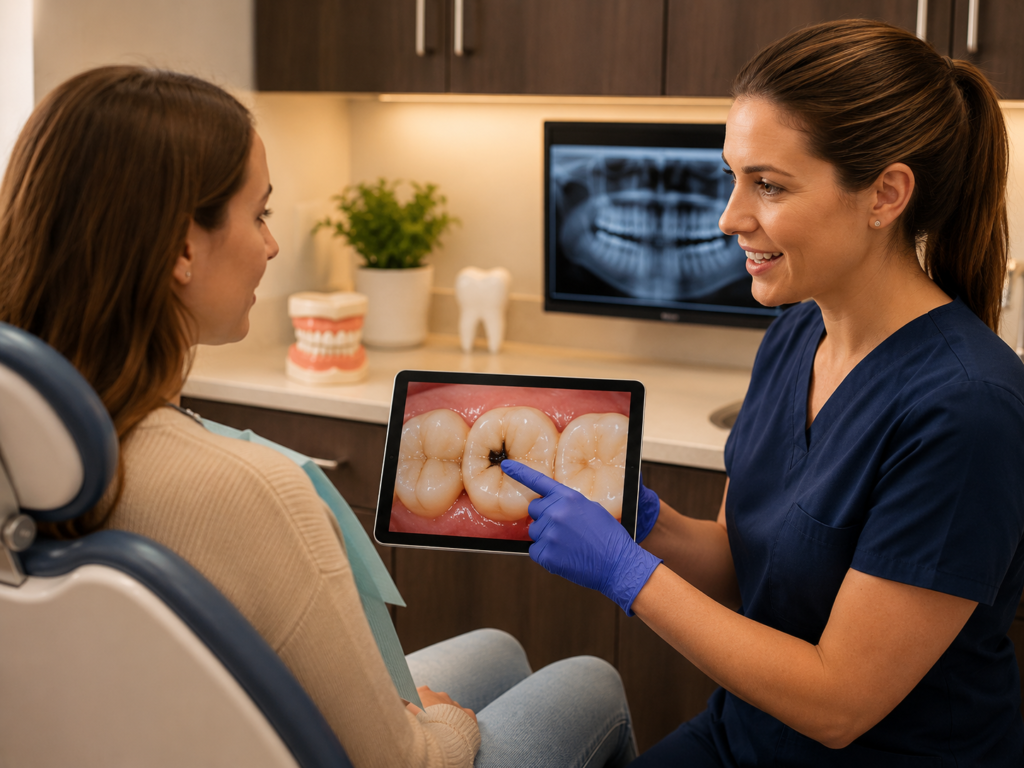
Dental professional showing a patient a cavity on a molar during a preventive dental consultation

The bacteria that naturally live in your mouth feed on sugars and carbohydrates. As they break these foods down, they produce acids that attack tooth enamel. Over time, repeated acid exposure can remove minerals from the enamel — a process called demineralization — and create the conditions for tooth decay to develop.

Plaque gives cavity-causing bacteria a place to thrive, particularly between teeth, along the gumline, and in the deeper grooves of molars. Because every patient’s risk is different, effective cavity prevention starts with understanding your oral health, daily habits, saliva levels, and the areas of your teeth that may need additional protection.

Professional Cavity Prevention for Stronger, Healthier Teeth

Professional cavity prevention is not a single treatment. It combines routine evaluation, professional care, and targeted preventive treatments based on your individual oral health needs and cavity risk.

Dental Checkups for Early Detection

A dental checkup gives us a clear picture of your current oral health. We examine your teeth and gums, review existing dental work, look for early signs of tooth decay, and consider factors such as medications, diet, dry mouth, and previous cavities.

Many patients benefit from a dental checkup about every six months, but the right schedule depends on your individual risk. Patients who develop cavities frequently may need closer monitoring, while others with consistently healthy teeth may require a different routine.

Professional Dental Cleanings

Even careful brushing and flossing can leave plaque in hard-to-reach areas. Over time, that plaque can harden into tartar, which cannot be removed effectively with a toothbrush alone.

Professional dental cleanings remove plaque and tartar around the teeth and gumline, clear surface buildup, and polish the teeth. Keeping these areas clean helps create a healthier environment and makes it harder for cavity-causing bacteria to remain undisturbed between visits.

Fluoride Treatment to Strengthen Enamel

Fluoride is a naturally occurring mineral that supports the remineralization of weakened tooth enamel and helps make the tooth surface more resistant to acid attacks.

Professional fluoride treatment uses a higher concentration than standard fluoride toothpaste and may be applied as a varnish, gel, or foam. It can be especially useful for children and adults with dry mouth, exposed root surfaces, frequent cavities, or other elevated risk factors.

Fluoride toothpaste provides everyday protection, while professional fluoride treatment delivers a more concentrated level of support when clinically appropriate.

Dental Sealants for Vulnerable Tooth Surfaces

Dental sealants are thin protective coatings placed over the chewing surfaces of molars and premolars. These teeth often contain deep grooves and pits where food, plaque, and bacteria can collect even with good brushing.

Sealants create a smoother surface that is easier to keep clean and can help reduce cavity risk in these vulnerable areas. They are commonly used on newly erupted permanent teeth in children, but adults with deep grooves and no existing decay may also benefit.

Who May Benefit From Extra Cavity Prevention?

Preventive dental care is valuable for everyone, but some patients benefit from a more active strategy. If your teeth face added challenges, targeted cavity prevention can help protect vulnerable areas and guide more personalized care.

Patients With Elevated Decay Risk

Some patients are simply more prone to tooth decay and benefit from closer monitoring and added protection.

  • Have a personal history of frequent or recurring cavities
  • Have deep grooves in your back teeth
  • Have had previous dental work that may need close monitoring
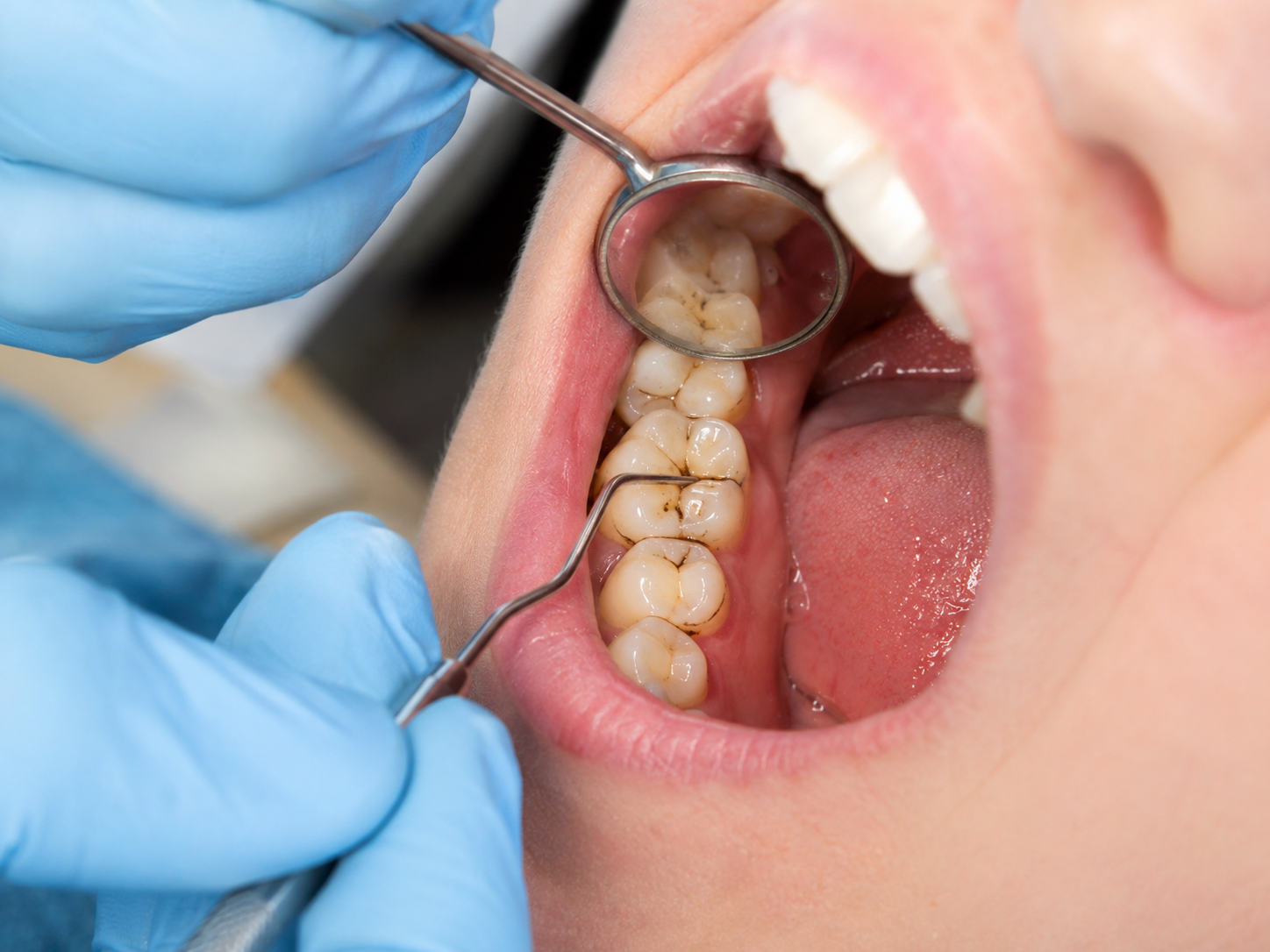
Close-up dental examination of molars with deep grooves and areas at higher risk for cavities

Dry Mouth, Gum Recession, and Daily Habit Factors

Changes in saliva, exposed tooth surfaces, and everyday habits can make it easier for cavity-causing bacteria to take hold.

  • Experience dry mouth from medications, a health condition, or naturally reduced saliva production
  • Have exposed root surfaces due to gum recession
  • Eat or drink frequently throughout the day, especially sweet or acidic foods and beverages
  • Take medications that reduce saliva or affect oral health
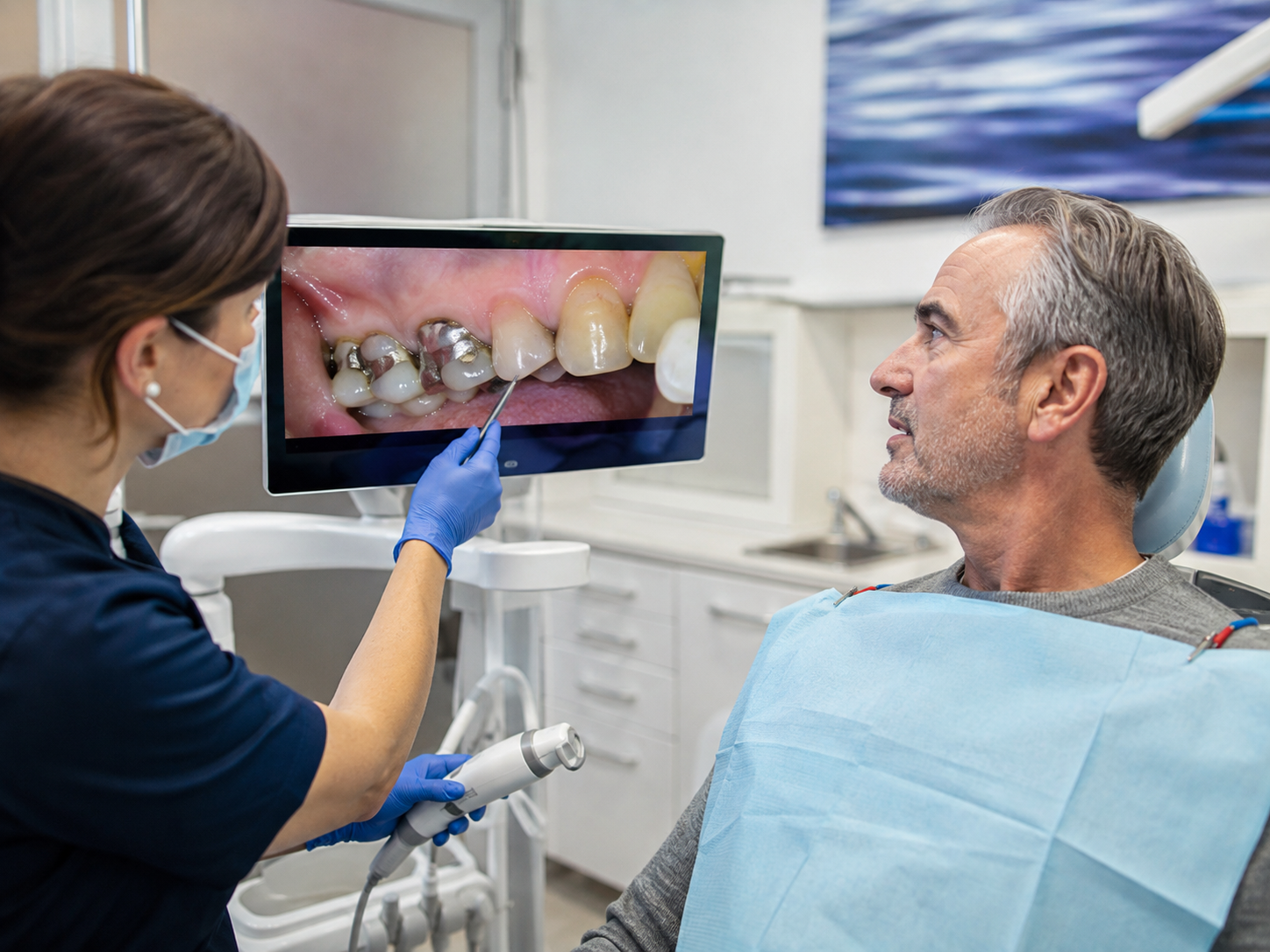
Dental professional reviewing cavity risk and gum recession with an adult patient during a preventive evaluation

Children, Teens, and Orthodontic Patients

Developing teeth and harder-to-clean areas often need extra support to reduce the chances of future decay.

  • Are going through orthodontic treatment, which can make cleaning harder
  • Have a child whose permanent teeth are still erupting
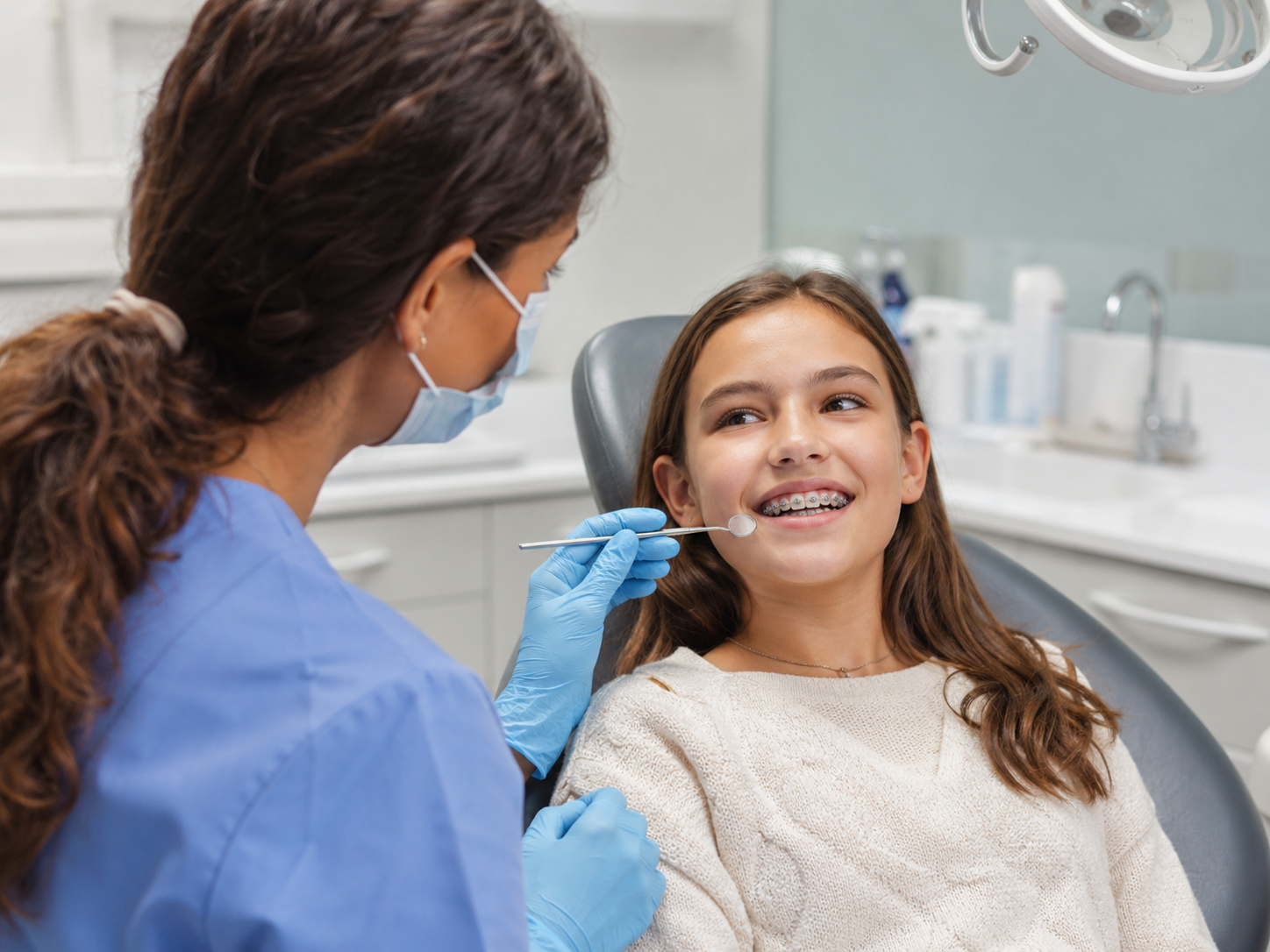
Child with braces receiving a preventive dental checkup to help reduce cavity risk during orthodontic treatment
None of this means you’re doing something wrong. It means your teeth have specific needs, and knowing that allows us to build a smarter, more personalized prevention plan.

What You Can Do at Home to Reduce Cavity Risk

Professional care works best alongside a consistent routine at home. The basics matter more than any single product or gadget, and the right daily habits can make a meaningful difference in protecting your teeth between dental visits.

Brush Twice a Day With Fluoride

Brush your teeth twice a day for about two minutes each time using a fluoride toothpaste. This daily routine helps remove plaque, supports enamel strength, and reduces the conditions that allow tooth decay to develop.

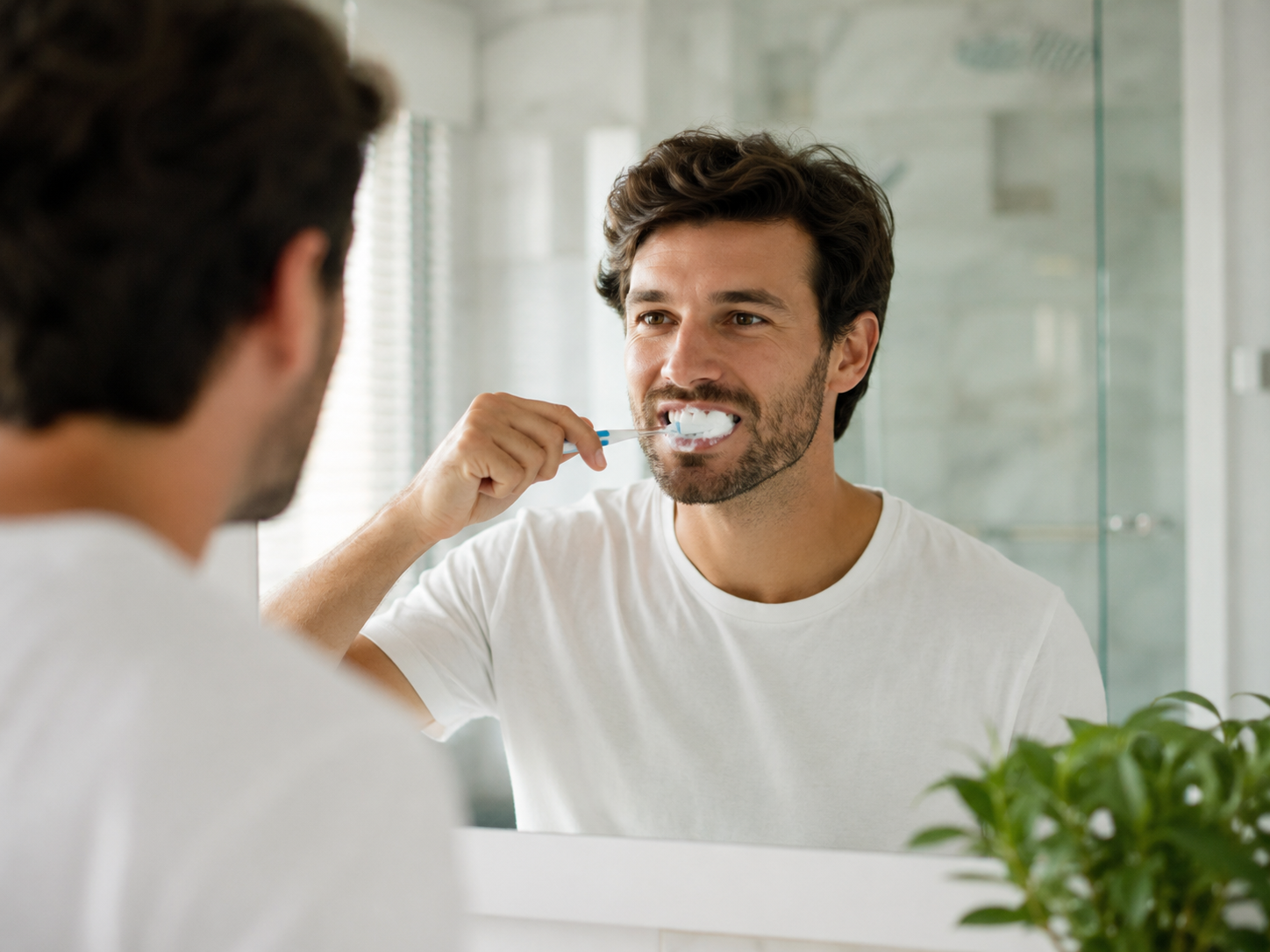
Man brushing his teeth with fluoride toothpaste as part of a daily cavity prevention routine

Hydration and Smarter Eating Habits

Think about how often you are eating and drinking, not just what you choose. Frequent snacking keeps acid levels elevated and gives enamel less time to recover. Drink water throughout the day, especially if you deal with dry mouth, and limit sugary or acidic drinks whenever possible.

Man drinking water with healthy foods nearby to support oral health and reduce cavity risk

Clean Between Teeth Every Day

Floss or use an interdental cleaner daily to remove debris and plaque from the spaces your toothbrush cannot fully reach. Those tight areas between teeth are common places for cavities to begin when plaque is left behind.

Man flossing between his teeth as part of a daily cavity prevention and oral hygiene routine

Personalized Guidance for Your Oral Health Needs

Home care is most effective when it is tailored to your specific risk factors. Your dentist may recommend small adjustments based on dry mouth, previous dental work, cavity history, diet, or the areas of your mouth that need extra attention.

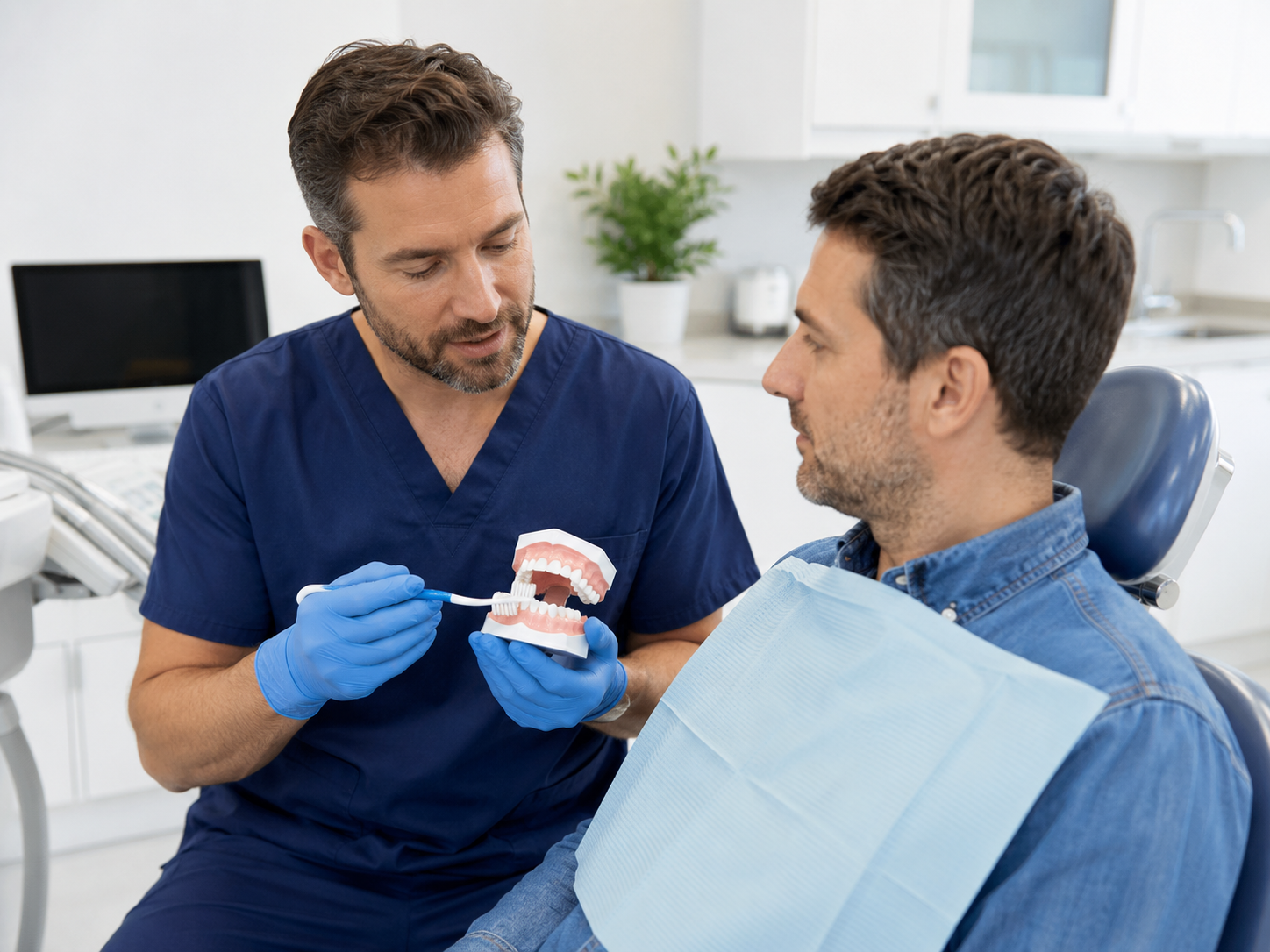
Dentist showing a patient proper brushing technique using a dental model during a preventive care visit

Your dentist’s guidance matters here. Oral hygiene practices that work well for one person may not fully address another person’s cavity risk. At Dunedin Dental Associates, we recommend home-care strategies that make sense for your mouth rather than giving the same generic advice to everyone.

Early Cavity Detection & Enamel Protection

Can Early Tooth Decay Be Reversed?

The answer depends on how far the decay has progressed. In its earliest stage, tooth decay may involve mineral loss from the enamel without a physical cavity forming in the tooth.

When that early damage is identified in time, fluoride, improved oral hygiene, dietary changes, and other preventive measures may help support remineralization. Once actual tooth structure has been lost, however, the tooth cannot simply grow that structure back.

01

Early Enamel Demineralization

Acids produced by plaque bacteria can pull minerals from the tooth surface. At this stage, the enamel may be weakened even though no physical hole has developed.


02

Remineralization & Fluoride Support

When decay is still non-cavitated, fluoride, saliva, better oral hygiene, and changes in dietary habits may help restore minerals and strengthen weakened enamel.

03

Structural Cavity Formation

Once decay creates actual structural loss in the tooth, that missing tooth structure does not regenerate. A dental filling or another appropriate restorative treatment may then be needed.

Earlier Detection. More Conservative Care.

Early Detection Can Preserve More Tooth Structure

This distinction between early mineral loss and a true cavity is one reason regular dental checkups matter. Detecting changes while they are still limited to the enamel may give us an opportunity to strengthen the tooth and reduce the chance of further breakdown.

If decay has already created a cavity, treating it while it is still small generally allows us to address the damaged area before it progresses toward the deeper, more sensitive layers of the tooth.

At Dunedin Dental Associates, we evaluate the tooth, your cavity risk, and the extent of any decay before recommending treatment. The goal is to choose the most appropriate option for the stage your tooth is actually in.

Mineral Loss Enamel Support Early Detection
Early Identify Enamel Changes
Protect Support Remineralization
Treat Restore Cavities When Needed

CAVITY PREVENTION AT EVERY AGE

Preventive Dental Care for Children and Adults

Cavity prevention changes throughout life. Children and adults share the same goal—strong, healthy teeth—but their risk factors and preventive needs are often different.

Protecting Baby Teeth and Developing Smiles

Preventive care starts early because baby teeth play an important role in eating, speaking, and holding space for permanent teeth. Regular dental checkups, good oral hygiene habits, and age-appropriate fluoride support can help protect a child’s smile as it develops.

Extra Protection for Permanent Teeth

As permanent teeth begin to erupt, especially the back molars, their deep grooves can make them more vulnerable to plaque and tooth decay. Fluoride treatment and dental sealants may provide additional protection when appropriate, while consistent brushing and flossing help establish habits that can last for decades.

Changing Cavity Risks in Adulthood

Adult cavity risk can change over time. Gum recession may expose root surfaces that are more vulnerable to decay, while dry mouth can become more common with age or certain medications. Previous dental work and longer gaps between dental visits can also make a current risk evaluation especially valuable.

Personalized Prevention at Every Stage

Children and adults can both benefit from fluoride, routine dental checkups, and personalized guidance. The right prevention plan depends on individual oral health needs, cavity history, daily habits, and the specific areas of the mouth that may require added protection.

Your Preventive Care Visit

What Happens at a Cavity Prevention Appointment?

Whether you’re visiting specifically for cavity prevention or coming in as a new patient, your appointment is designed to identify your individual risks, catch concerns early, and give you a clear plan for protecting your teeth.

Step 01

Review Your Dental & Health History

We begin by reviewing your dental history, previous treatment, medications, medical conditions, and any concerns you have about recurring cavities or changes in your oral health.

These details matter because factors such as dry mouth, certain medications, diet, and past dental treatment can influence your individual cavity risk.

Step 02

Examine Your Teeth & Gums

We examine your teeth and gums for signs of tooth decay, gum disease, weakened enamel, and changes around existing fillings, crowns, or other dental work.

Particular attention is given to areas where plaque tends to collect, including between teeth, along the gumline, and within the deeper grooves of back teeth.

Step 03

Diagnostic X-Rays When Needed

Dental X-rays may be recommended when they provide useful information that cannot be seen during a visual examination, such as decay developing between teeth or beneath existing dental work.

They are not taken automatically at every visit. Your dentist determines when imaging is clinically appropriate based on your history, current findings, and individual oral health needs.

Step 04

Assess Your Individual Cavity Risk

We evaluate plaque levels, enamel condition, dry mouth, exposed root surfaces, previous cavities, and any areas that may be particularly vulnerable to tooth decay.

This helps us understand whether your current routine is providing enough protection or whether certain teeth may benefit from additional preventive support.

Step 05

Create Your Personalized Prevention Plan

Based on what we find, we may recommend professional fluoride treatment, dental sealants, an appropriate cleaning interval, or specific changes to your brushing, flossing, diet, or other home-care habits.

Before you leave, we make sure you understand what we found, what we recommend, and why those recommendations make sense for your oral health.

Clear Recommendations. No Surprises. If dental treatment is recommended, we’ll explain what we found, what the treatment involves, what it costs, and what may happen if care is delayed. You make the decisions — our job is to give you clear information so you can make them confidently.
Preventive Dental Care in Dunedin

Why Choose Dunedin Dental Associates for Preventive Dental Care?

Effective prevention is easier when your dental team knows your history, monitors changes over time, and gives you clear recommendations based on your individual oral health needs.

Comprehensive Care Under One Roof

If a preventive visit reveals a cavity, cracked tooth, gum concern, or another dental problem, our team can evaluate the next step and provide appropriate care without disrupting the continuity of your treatment.

Clear, Patient-Focused Recommendations

We believe in straightforward explanations, clear pricing conversations, and recommendations designed around your long-term oral health rather than unnecessary dental treatment.

Swipe horizontally to view all details
Preventive Care Continuity Relationship-based care Comprehensive Care Prevention through treatment Clear Guidance Informed dental decisions
Dental history considered Yes Yes
Changes monitored over time Integrated Clearly explained
Individual cavity risk assessed Yes Recommendations explained
Treatment available when needed In-house options Cavities, cracked teeth, gum concerns, and other findings can be addressed Options reviewed first
Pricing conversations Discussed before treatment Straightforward
Long-term prevention planning Connected to overall care Guidance you can understand

Preventive Care Built Around Your Long-Term Oral Health

Dunedin Dental Associates is a general dental practice serving patients in Dunedin, Florida. If you’re looking for a dentist who takes prevention seriously, our team is here to help you understand your risks, stay ahead of changes, and make informed decisions about your care. Patients from across Pinellas County, including Clearwater and Palm Harbor, are welcome.

Frequently Asked Questions About Cavity Prevention in Dunedin

For many patients, a checkup every six months works well. But that’s a general guideline, not a universal rule. If you have a history of frequent cavities, gum disease, or other risk factors, more frequent visits may make sense. If your teeth are consistently healthy, your dentist may recommend a different interval. We’ll let you know what fits your situation.

Fluoride supports the natural remineralization process — the way your saliva rebuilds weakened enamel — and it makes the rebuilt surface more resistant to acid attacks. Professional fluoride treatment delivers a higher concentration than fluoride toothpaste alone, and research consistently supports its role in reducing decay rates, especially in patients with elevated risk. It doesn’t make cavities impossible, but it’s a well-established and safe preventive tool for children and adults alike.

No. Sealants are most commonly applied to children’s permanent molars when they first come in, but adults with deep grooves who haven’t developed decay in those areas can also benefit. Your dentist can evaluate whether sealants make sense for your specific teeth.

A very early area of enamel demineralization — where minerals have been lost but the tooth hasn’t yet physically broken down — can sometimes be stabilized or partially reversed with fluoride and improved oral hygiene. Once a true cavity has formed, however, the tooth structure doesn’t heal on its own. A dental filling or other dental treatment is needed. Waiting tends to allow the cavity to grow larger, which means more involved treatment later.

Brushing removes a significant amount of plaque, but it doesn’t reach every surface — particularly between teeth and in the deep grooves on back teeth. Other factors matter too: how often you snack, whether you have dry mouth, individual differences in enamel hardness, the bacterial composition of your saliva, and whether you’re flossing effectively. Cavity risk is genuinely individual, which is why personalized preventive care can make a real difference.

Coverage varies by plan. Many dental insurance plans cover preventive services including fluoride treatment for children and, in some cases, adults. Sealants are often covered for children up to a certain age. We recommend checking your specific plan details, and our team can help you understand what’s covered before your appointment.

Consistent brushing with fluoride toothpaste, daily flossing, reducing how often you eat or drink sugary foods, staying hydrated, and following any specific guidance from your dentist are all meaningful steps. The goal between visits is to keep plaque from accumulating and to give your enamel time to recover from acid exposure throughout the day.

Preventive dental care is most useful before a small issue becomes a larger one. The earlier tooth decay is identified — and the earlier the right combination of professional treatment and home care is in place — the simpler and less costly it tends to be to manage.

If you’re concerned about recurring cavities, wondering whether fluoride treatment or dental sealants are right for you, or simply due for a checkup and cleaning, Dunedin Dental Associates is ready to help. We’ll evaluate your oral health, explain what we find, and work with you on a prevention plan that makes sense for your teeth — not a generic one-size-fits-all approach.

Directions
Office Hours
Monday | 8am – 5pm
Tuesday | 8am – 5pm
Wednesday | 8am – 5pm
Thursday | 8am – 5pm
Friday | By Appointments Only
Saturday | Closed
Sunday | Closed

Copyright © 2026