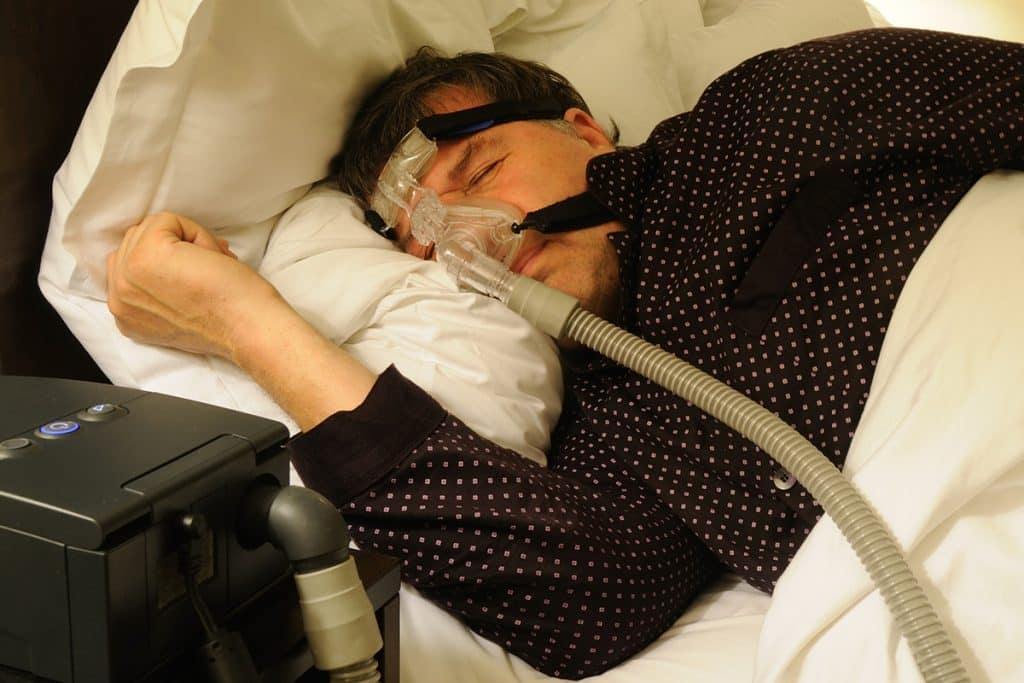
Many adults wonder, “Is sleep apnea curable?” The answer depends on the type of sleep apnea and severity of your condition. While obstructive sleep apnea (OSA) typically cannot be cured completely without surgical intervention, it can be successfully managed through various sleep apnea treatment options. At Dunedin Dental Associates, we specialize in helping adults and senior adults in the Tampa Bay area find a treatment that restores healthy sleep and protects long-term health.
Obstructive sleep apnea is a condition that can be successfully managed, although not cured with non-surgical treatments. Obstructive sleep apnea is classified as a sleep-related breathing disorder, along with snoring. Once diagnosed with obstructive sleep apnea, patients are usually referred to dentists for nonsurgical treatment. Here’s everything to know about obstructive sleep apnea, including how dentists help you manage the condition.
Obstructive sleep apnea occurs when the airway becomes blocked during sleep, causing repeated breathing interruptions throughout the night. Once diagnosed, patients have multiple effective paths to treat your sleep apnea and achieve better sleep. Understanding your sleep apnea treatment options is the first step toward improved health and quality of life.
What Causes Obstructive Sleep Apnea?
Obstructive sleep apnea develops when the upper airway becomes restricted or completely blocked while sleeping. The airway during sleep can collapse when upper airway muscles relax excessively, preventing normal breathing. Several structural and lifestyle factors contribute to this common sleep disorder:
Anatomical Factors Affecting the Airway:
- Jaw positioning – A small lower jaw or underbite that doesn’t adequately position the jaw forward can narrow the airway open while you sleep
- Large tongue – An oversized tongue can prevent your tongue from staying in proper position, blocking the back of the throat
- Enlarged tonsils – Excess tonsil tissue reduces airway space and may require surgery to remove
- Excess soft tissue – Additional tissue in the nose and throat region restricts airflow
- Mouth and facial muscles – Weak or overly relaxed muscles that fail to keep the airway open during sleep
Lifestyle and Health Risk Factors:
Family history – Genetic factors can influence airway structure and sleep apnea riskmference.
Obesity – Excess weight, particularly around the neck, is a leading cause of airway obstruction
Large neck circumference – Men with necks over 17 inches and women over 16 inches face higher risk
Age – Sleep apnea becomes more common in adults and senior adults as muscles naturally weaken
Sleeping on your back – This position allows gravity to pull the tongue and soft tissues toward the back of the throat, blocking the airway
Symptoms of Obstructive Sleep Apnea
Identifying the symptoms of sleep apnea early helps you seek appropriate treatment before serious health complications develop. Many adults live with undiagnosed sleep apnea for years, attributing poor sleep quality to stress or aging rather than a treatable medical condition.
Nighttime Warning Signs:
- Loud snoring – While not everyone who snores has sleep apnea, chronic loud snoring is a key indicator
- Breathing pauses – A partner may notice you stop breathing during sleep, followed by gasping or choking sounds
- Frequent awakenings – Waking multiple times throughout the night, often without remembering why
- Restless sleep – Tossing and turning, struggling to maintain comfortable breathing positions
- Dry mouth or sore throat – Waking with parched mouth or throat irritation from mouth breathing
Daytime Symptoms:
- Excessive daytime sleepiness – Feeling exhausted despite spending adequate time in bed
- Morning headaches – Dull headaches upon waking, caused by low blood oxygen levels during sleep
- Difficulty concentrating – Brain fog, memory problems, and reduced productivity at work
- Mood changes – Irritability, depression, or anxiety linked to chronic sleep deprivation
- Weight gain – Sleep disruption affects metabolism and can make maintaining a healthy weight more difficult
Dental indicators: During routine dental examinations, dentists often recognize early signs of obstructive sleep apnea in adults, including worn teeth from grinding, a large tongue, scalloped tongue edges, and a narrow airway. If you snore regularly or experience these symptoms, mention them at your next dental appointment.
How Dentists Treat Sleep Apnea: Custom Oral Appliance Therapy
It is important to note that obstructive sleep apnea may increase your risk of diabetes, heart attack, stroke, and high blood pressure. If you suspect you may have this sleep-related breathing disorder, or if you know you snore, be sure to tell your dentist.
Fortunately, obstructive sleep apnea can often be managed with a custom oral appliance from your dentist. This mouthguard will ensure that your airway remains open by repositioning the tongue and your jaw while you’re sleeping. As a bonus, the oral appliance will help reduce your snoring, and prevent teeth grinding.
If your dentist determines you are a candidate for a custom oral appliance, you will have digital impressions taken of your mouth. The impressions are completely painless and take just moments. Your dentist will then design a custom night guard for you, sending the images and the treatment plan to a laboratory for manufacturing.
At Dunedin Dental Associates, we specialize in treating obstructive sleep apnea through custom oral appliance therapy. This dental treatment option is highly effective for mild to moderate sleep apnea and serves as an excellent alternative for patients who can’t tolerate CPAP. Our custom-designed oral appliances work by gently repositioning the lower jaw forward to keep the airway open during sleep and prevent your tongue from blocking the throat.
Why Choose Dental Treatment for Sleep Apnea?
Dentists are uniquely qualified to provide oral appliance therapy because we understand:
- Jaw anatomy and positioning – How to safely and effectively move the lower jaw forward
- Bite relationships – Ensuring proper alignment while maintaining the airway open
- Oral health – Protecting your teeth and gums during treatment
- Facial structure – How mouth and facial muscles affect breathing during sleep
- Custom fabrication – Creating precise appliances that fit comfortably and work effectively
Benefits of Dental Oral Appliances for Sleep Apnea and Snoring:
- Comfortable and convenient – Small, portable, and easy to travel with
- Silent operation – No machine noise to disturb you or your partner
- Highly effective for mild to moderate sleep apnea – Clinically proven treatment for OSA
- Eliminates snoring – Benefits even those without diagnosed sleep apnea by keeping the airway open
- Dual purpose – Protects teeth from nighttime grinding (bruxism)
- Better compliance – Patients find oral appliances easier to use whenever sleeping
- No electricity required – Works naturally by repositioning your jaw
- Discreet – Most people won’t even notice you’re wearing it
The American Academy of Sleep Medicine recognizes oral appliance therapy provided by dentists as a first-line treatment for mild sleep apnea and as an appropriate alternative for moderate to severe cases when patients cannot use other treatments.
Custom Fitting Process at Dunedin Dental Associates:
Our comprehensive dental approach to sleep apnea treatment includes:
- Initial consultation and evaluation – Thorough assessment of your airway, jaw structure, bite, and dental health
- Coordination with sleep specialists – We work with your healthcare provider and sleep medicine team to ensure proper diagnosis
- Digital impressions – Quick, comfortable 3D scanning of your mouth structure
- Custom appliance design – Precise fabrication based on your unique anatomy to move the jaw forward optimally
- Professional fitting – Careful adjustment to ensure the appliance keeps your airway open while you sleep
- Bite verification – Ensuring your teeth align properly with the appliance in place
- Comfort optimization – Fine-tuning for maximum comfort and effectiveness
- Follow-up care – Regular monitoring and adjustments to confirm the appliance continues working effectively
Most patients adapt to wearing their dental appliance within 2-3 weeks and experience significant improvement in sleep quality, daytime energy, and overall health.
How Oral Appliances Work:
Dental sleep appliances function by:
- Moving the lower jaw forward – This positioning enlarges the airway space
- Preventing tongue collapse – Keeps your tongue from blocking the back of the throat
- Stabilizing the airway – Maintains the upper airway in an open position throughout the night
- Supporting soft tissues – Prevents upper airway muscles from collapsing
- Improving airflow – Allows normal breathing during sleep
Unlike treatments that require machines or surgery, oral appliance therapy works with your body’s natural structure to keep the airway open while you sleep.
Finding the Right Treatment for Your Sleep Apnea
Successfully managing sleep apnea often requires patience and collaboration with your healthcare team. The process to find a treatment that works typically involves:
Step-by-Step Treatment Journey:
- Recognize symptoms – Pay attention to snoring, daytime sleepiness, and other warning signs
- Seek professional evaluation – Consult your dentist, primary care physician, or sleep specialist
- Complete diagnostic testing – Undergo sleep study or home sleep apnea testing
- Discuss all treatment options – Review CPAP, oral appliances, lifestyle changes, and surgical options
- Begin recommended treatment – Start with the most appropriate first treatment for your case
- Allow adjustment period – Give yourself time to adapt to new therapy
- Communicate challenges – If you can’t tolerate CPAP or another treatment, speak up immediately
- Try alternatives if needed – Explore other treatments like CPAP alternatives or oral appliances
- Make lifestyle changes – Support medical treatment with weight loss, position changes, and healthy habits
- Maintain regular follow-up – Work with your healthcare provider to monitor progress and adjust your treatment plan
Remember that finding the most effective treatment may take some trial and adjustment. The key is not giving up—virtually every patient can find a solution that allows them to sleep well and breathe normally.
Frequently Asked Questions
Do night guards hurt?
Your custom night guard should not hurt. That said, it can take some time to adjust to wearing it while you sleep. If your night guard is causing any aches in the jaw or pain in the teeth, contact your dentist.
How often will I need to replace an oral appliance?
Each person is different. With excellent care, your oral appliance should last approximately 2-3 years before needing to be replaced.
Can sleep apnea be cured completely with dental treatment?
Most cases of obstructive sleep apnea cannot be permanently cured, but dentists can very effectively manage the condition with custom oral appliances. Our sleep apnea treatment in duendin and palm harbor keeps your airway open while you sleep, eliminating symptoms and protecting your health. Some patients who lose a significant amount of weight while using their oral appliance may experience improved outcomes. For most adults, ongoing dental treatment provides excellent control of sleep apnea symptoms.
Is sleep apnea curable with an oral appliance?
While not a “cure” in the traditional sense, dental oral appliances effectively treat your sleep apnea by keeping the airway open during sleep. When you wear your custom appliance, it actively prevents airway obstruction, eliminating apnea episodes. This dental treatment option provides long-term management that protects your health and restores quality sleep.
Can dentists really treat sleep apnea?
Absolutely! Dentists specializing in sleep medicine are experts in oral appliance therapy for obstructive sleep apnea.
We understand jaw anatomy, bite relationships, and how to safely reposition the lower jaw forward to maintain an open airway. The American Academy of Sleep Medicine recognizes dental oral appliances as a first-line treatment option for sleep apnea.
Schedule Your Dental Sleep Apnea Consultation at Dunedin Dental Associates
If you suspect you have sleep apnea, snore chronically, or wake feeling unrested despite adequate time in bed, dental treatment can help. At Dunedin Dental Associates, our experienced dental team specializes in providing custom oral appliance therapy for adults and senior adults throughout the Tampa Bay region, including Dunedin, Clearwater, Palm Harbor, Tarpon Springs, Eastlake, and Countryside.
What We Offer:
- Comprehensive dental sleep evaluations – Thorough assessment of your airway and jaw anatomy
- Coordination with sleep specialists – Seamless referrals for proper sleep apnea diagnosis
- Custom oral appliances – Precisely designed to keep your airway open while you sleep
- Expert fitting and adjustment – Ensuring optimal comfort and effectiveness
- Ongoing support – Regular monitoring to maintain treatment success
- Personalized care – Treatment plans tailored to your unique needs
Our personalized dental approach ensures you receive the treatment option best suited to your anatomy, lifestyle, and sleep apnea severity. We’ve helped countless patients achieve better sleep, improved health, and enhanced quality of life through custom oral appliance therapy.
Don’t let untreated sleep apnea steal your health, energy, and quality of life. The journey to healthy sleep starts with expert dental care.
Take the First Step Toward Better Sleep:
Call 727-734-3321 today or send us a message to schedule your dental sleep apnea consultation.
Experience the comfort and effectiveness of custom oral appliance therapy—the dental solution for sleep apnea that patients prefer. As a 5-star Google-reviewed comprehensive dental practice serving Tampa Bay, we are here to help you get the full night’s sleep you need to preserve your health and well-being.