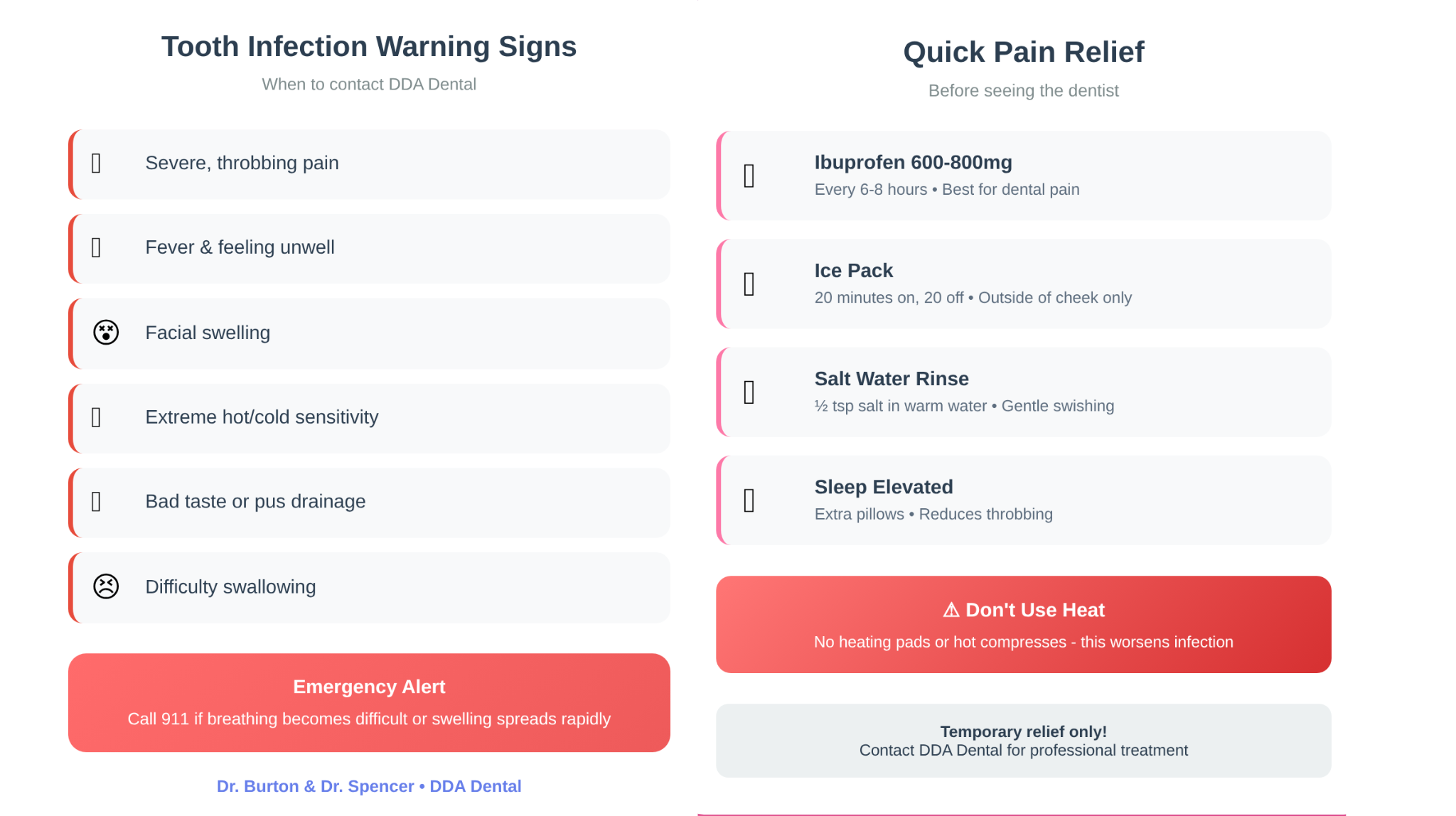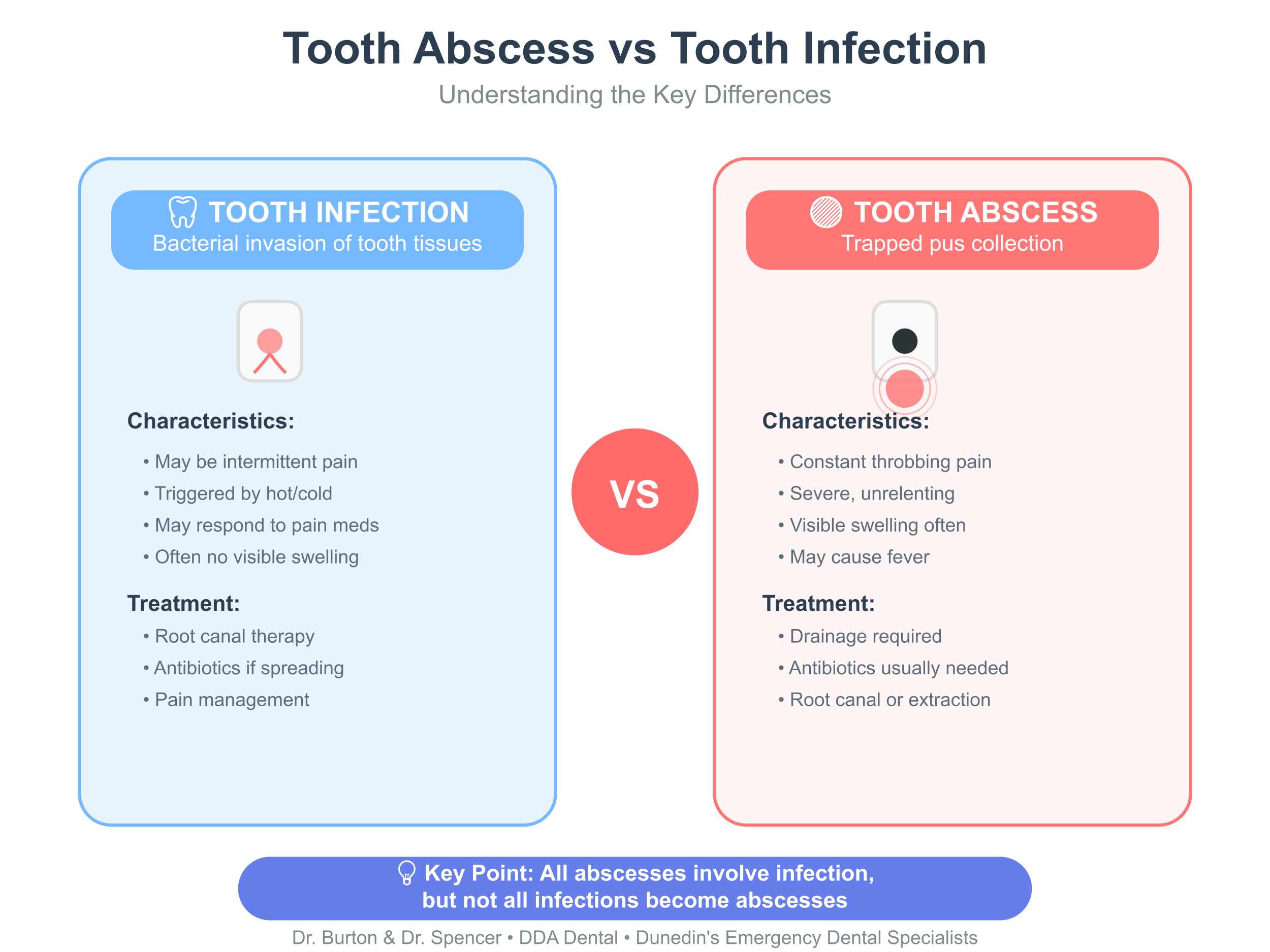
You’re up at three in the morning in Dunedin with a terrible toothache that no amount of over-the-counter medicine can relieve. As your face swells, you ask yourself, “Is this an actual emergency? What is the price of this? Where in Dunedin can I find assistance?
Dental emergencies are inconvenient, costly, and always stressful. However, these difficult circumstances can be considerably more manageable if one knows what constitutes a dental emergency, what treatments are available, and what to anticipate financially..
Key Takeaways: Emergency Dentistry in Dunedin
- Emergency dental care costs: $100-$1,500 depending on treatment complexity
- True emergencies: Severe pain, trauma, infection, uncontrolled bleeding need immediate care
- Insurance coverage: Most plans cover 50-80% of emergency procedures
- After-hours fees: $100-$300 surcharge for evenings, weekends, holidays
- Early intervention saves money: Small problems cost less than major emergencies
- Multiple payment options: Insurance, financing, payment plans available
I have been offering emergency dental care in the Dunedin area for more than 10 years, and during that time I have witnessed every kind of dental emergency. Whether you are currently dealing with a dental emergency or are getting ready for one, this thorough guide will provide you with the inside information you need to handle one with assurance.
What Qualifies as a Dental Emergency in Dunedin?
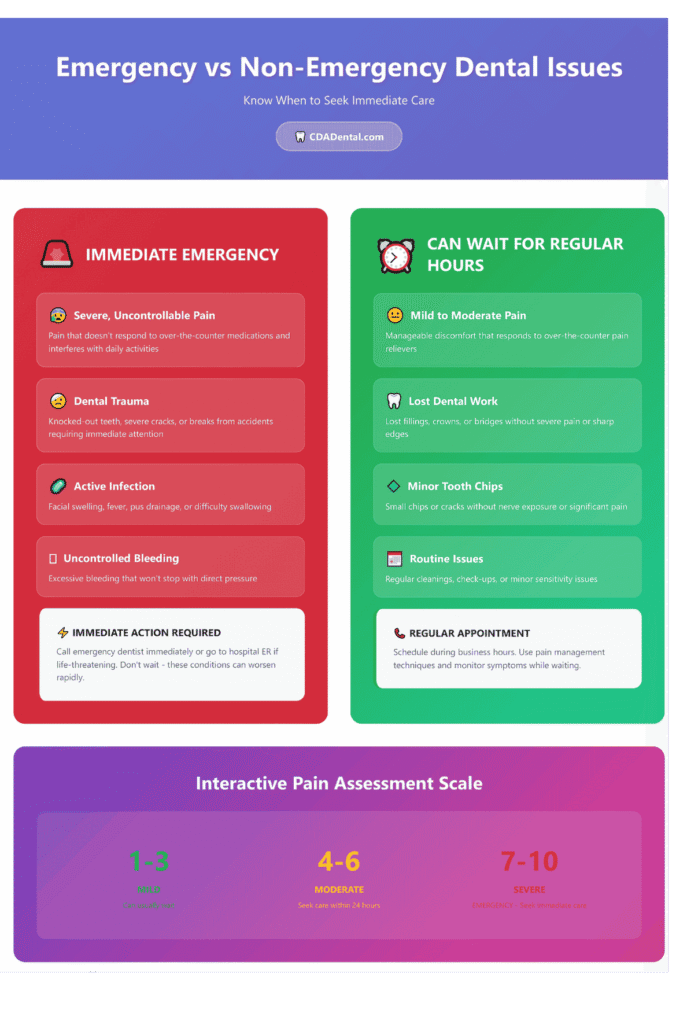
Not all dental issues need to be treated right away. You can save time and money by knowing the difference between urgent and non-urgent issues. Knowing when waiting could result in major issues or irreversible harm is crucial.
True Dental Emergencies (Seek Immediate Care)
When patients call my Dunedin office in severe distress, I listen for specific indicators that tell me they need to be seen immediately. Severe, uncontrollable pain that doesn’t respond to over-the-counter medications is one of the clearest signs of a true emergency. This type of pain often indicates an active infection or nerve involvement that requires professional intervention.
Immediate emergency situations include:
- Severe pain unresponsive to medication
- Knocked-out teeth (within 1-2 hours for best results)
- Facial swelling, especially if spreading
- Uncontrolled bleeding from trauma
- Difficulty swallowing or breathing
- High fever with dental pain
- Dental Infections
- Dental Tooth Abscesses
Dental trauma from accidents creates some of the most time-sensitive emergencies I treat. Knocked-out teeth have the best chance of being saved if you can get to a dentist within one to two hours. The longer you wait, the lower the success rate becomes.
Urgent But Can Wait Until Business Hours
Many dental problems, while uncomfortable, can be managed temporarily until you can schedule a regular appointment. Moderate tooth pain that responds to over-the-counter medication typically doesn’t require emergency intervention.
Can usually wait for regular hours:
- Manageable pain responding to OTC medication
- Lost fillings or crowns without severe pain
- Minor tooth chips without nerve exposure
- Broken dentures that don’t cause injury
- Food stuck between teeth (not causing severe pain)
Common Emergency Dental Treatments in Dunedin
Knowing what occurs in emergency dentistry can lessen anxiety and help prepare the patient for the outcome. There are different types of emergencies that require different reactions, and the more complex the emergency the more complex the treatment required.
Emergency Dental Examination and Diagnosis
All emergency dental visits start with an individualized exam to see what is causing your issue. This is not a routine dental checkup in that an emergency exam is problem-focused; I will look specifically at the issue in the immediate moment that is the cause of your pain or concern.
Emergency exam typically includes:
- Comprehensive oral assessment
- Digital X-rays for detailed diagnosis
- Pain level evaluation
- Medical history review
- Treatment planning discussion
In urgent situations, X-rays are especially invaluable because they reveal infections, fractures, or other issues below the gum line, which may not be visually apparent. In that stage, I also check on your overall health status and discuss any medications that may affect treatment.
Root Canal Emergency Treatment
Root canal therapy in an emergency situation is focused on removing infected tissue and providing immediate pain control. When the soft tissue inside your tooth becomes infected, the pressure can build up quickly and can lead to pain so severe, that the patient can no longer bear it. This can often lead affected patients to my Dunedin office at 2 AM!
To begin the emergency root canal procedure, I will administer a local anesthetic. Once you are numb, I will create an access hole in the tooth to gain entry to the infected pulp chamber. I will remove the infected tissue first, and then clean and disinfect the inside of the tooth, eliminating all possible bacteria.
Root canal emergency process:
- Local anesthesia administration
- Access hole creation in affected tooth
- Infected tissue removal
- Root canal cleaning and disinfection
- Temporary filling placement
- Pain medication prescription
I usually put in a temporary filling after I clean the root canals in emergency situations. So the tooth can provide immediate relief and protection until it is restored with a crown. This takes around 60 to 90 minutes in total and most patients will express they have received significant pain relief immediately after treatment.
Emergency Tooth Extraction
Sometimes a tooth is too damaged or infected to save, and extraction becomes the best option for eliminating pain and preventing the spread of infection. Emergency extractions fall into two categories: simple extractions for teeth that are visible and accessible, and surgical extractions for impacted or broken teeth.
Ordinary extractions normally can be completed in a timeframe between 15 to 30 minutes with only local anesthesia. These are defined as teeth that have erupted as expected and have enough coronal portion able to be grasped with extraction forceps. A surgical extraction is more complicated and may require incisions in the soft tissue, removal of bone covering the portion of the tooth, or cutting the tooth into additional segments for removal.
Extraction types and timeframes:
- Simple extraction: 15-30 minutes, local anesthesia only
- Surgical extraction: 45-90 minutes, may need sedation
- Wisdom tooth removal: 30-60 minutes per tooth
- Multiple extractions: Extended time based on number
Healing from emergency extractions requires gauze pressure to control bleeding, controlling pain with medications prescribed by the dentist, and following up aftercare to avoid problems like dry socket. Most patients can get back to their normal day to day activities in just a couple of days, although healing full complete will take weeks.
Emergency Dental Fillings and Crown Repairs
When cavities create severe or significant pain, or a tooth with a filling has broken, leaving sharp edges may require emergency temporary dental filling to provide immediate relief. Temporary fillings have a different purpose, as they are typically not meant to restore the tooth, but to relieve pain if possible, and provide a protective barrier on the tooth until a more fully informed restorative treatment is planned.
You can have an emergency crown situation when your crown is painful, has left sharp edges cutting your soft tissues, or leaves tooth structure exposed and sensitive. Depending on if the crown can be re-cemented or needs to be replaced temporarily, there is an appropriate response.
Emergency restoration options:
- Amalgam fillings: Durable, cost-effective ($100-200)
- Composite fillings: Tooth-colored, aesthetic ($130-250)
- Temporary crowns: Protection until permanent ($200-400)
- Re-cementation: Often same-day solution ($100-200)
Emergency Dentistry Costs in Dunedin: What to Expect
When you understand the financial side of emergency dental care, you can anticipate possible expenses and make an informed choice about treatment. Costs in Dunedin can be dependent on what sort of emergency you are facing, the complexity of the treatment, and all of the factors outside of our control.
Emergency Examination and Diagnostic Costs
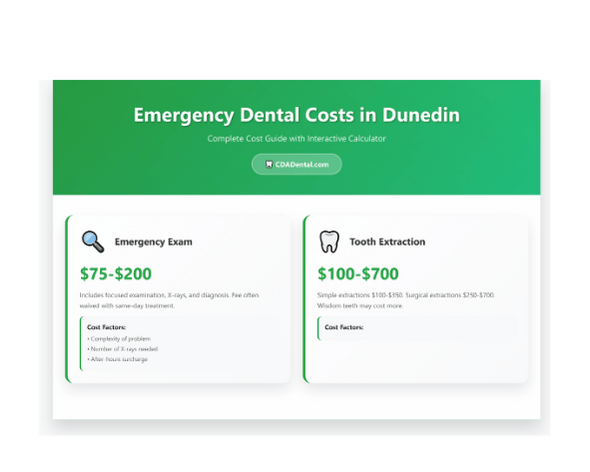
Emergency visits for dental procedures begin with a comprehensive examination, and diagnosis. In Dunedin, although the emergency examination fee could be as much as $75 to $200 depending on the specifics of your situation, this examination will be a little less thorough than a checkup, as the focus will be on the problem and the immediate issue.
Typical diagnostic costs in Dunedin:
- Emergency exam: $75-$200
- Digital X-rays: $30-$125 per image
- 3D imaging (if needed): $250-$500
- After-hours emergency fee: $100-$250
Digital X-rays are almost always needed in an emergency, and you’ll pay an additional $30 to $125 per image. How many X-rays you’ll need will depend on your specific situation. Some practices may charge for a consultation separately; and there are many Dunedin offices that won’t charge a consultation fee if you choose to have the treatment completed that day.
Treatment-Specific Cost Ranges in Dunedin
Costs for emergency treatment for dental root canals in Dunedin differ considerably based on which tooth you are having treated. Front teeth only have 1 root making them the least expensive teeth to treat with an approximate cost of $600 – $1200. Premolars with 1 or 2 roots are in the middle range at around $700 – $1400. Finally the molar teeth have the most roots and complicated anatomy and therefore are the most expensive to treat at a cost of approximately $800 – $1600.
Dunedin emergency treatment costs:
- Root canals: $600-$1,600 (varies by tooth type)
- Simple extractions: $100-$350 per tooth
- Surgical extractions: $250-$700 per tooth
- Emergency fillings: $125-$300 per tooth
- Crown repairs: $200-$800 depending on complexity
- Abscess drainage: $250-$600 plus antibiotics
Where emergency tooth extractions fall on the cost spectrum will depend on a number of factors, including whether or not the extraction is simple or surgical, and whether or not it requires incisions, and bone removal.
A simple extraction of an erupted tooth in Dunedin will typically cost between $100 and $350 per tooth. Surgical extraction of teeth (tooth that requires incisions and/or removal of bone) can range from $250 to $700 per tooth. Wisdom tooth has similar complexities to surgical extraction and can likely range from $350 – $900 per tooth.
Factors Affecting Emergency Dental Costs in Dunedin
Timing your emergency makes a big difference in cost in Dunedin. During normal business hours, you typically only pay normal rates, but evenings and weekends will usually require a surcharge of 25 to 75%. For holidays, you could pay anywhere from a 50% to a 100% surcharge on the normal fee.
Cost factors specific to Dunedin:
- Timing: After-hours care 25-75% more expensive
- Complexity: Simple vs surgical procedures
- Provider type: General dentist vs specialist
- Insurance status: In-network vs out-of-network
- Geographic competition: Multiple providers in Dunedin area
The complexity and severity of your emergency directly correlate with cost. Simple, straightforward procedures fall at the lower end of typical price ranges, while complex cases requiring specialized techniques or multiple procedures can exceed normal ranges significantly.
Insurance Coverage for Emergency Dental Care
Understanding how dental insurance works for emergency situations can significantly impact your out-of-pocket costs. Most dental insurance plans recognize the importance of emergency care and provide coverage, though the extent varies considerably between plans.
How Dental Insurance Handles Emergency Care
Most dental insurance plans categorize services into three groups: diagnostic and preventive, basic restorative, and major restorative procedures. Emergency dental care can fall into any of these categories depending on the specific treatment required.
Typical insurance coverage rates:
- Diagnostic services: 80-100% coverage (exams, X-rays)
- Basic treatments: 50-80% coverage (fillings, simple extractions)
- Major procedures: 50% coverage (root canals, crowns, surgical extractions)
- Emergency fees: Often not covered by insurance
Diagnostic services like emergency exams and X-rays are typically covered at 80 to 100%, meaning you pay little or nothing out of pocket for the evaluation portion of your visit. Basic treatments including simple fillings and extractions are usually covered at 50 to 80% after your deductible is met.
Insurance Limitations and Considerations
Maximum yearly benefits represent the fullest amount that your insurance will pay out in one year, which can range between $1,000 to $2,500 and varies by plan. Once you need care in an emergency situation, your annual benefits can be used up very quickly if having multiple procedures done.
Most dental plans have waiting periods for certain procedures that can range from six months to a year. However, many plans waive the waiting period for emergency care because they recognize the need for care in an emergency situation given you have coverage at that point in time regardless of how long you’ve had the plan.
Key insurance considerations:
- Annual maximums: $1,000-$2,500 typical limits
- Waiting periods: Often waived for emergencies
- Network restrictions: In-network saves 20-40%
- Pre-authorization: May be required for expensive procedures
What to Expect During Your Emergency Visit
Knowing what happens during an emergency dental visit can reduce anxiety and help you prepare effectively. Emergency dental care follows a different protocol than routine visits, with the primary focus on quickly identifying and addressing your immediate problem.
Before You Arrive
When calling for emergency care in Dunedin, be prepared to describe your symptoms clearly and accurately. The information you provide helps the dental team prioritize your case and prepare for your arrival. Mention any allergies, current medications, and relevant medical history that might affect your treatment.
Information to have ready when calling:
- Clear description of symptoms
- Insurance information
- Current medications list
- Any known allergies
- Preferred appointment timing
Gather important documents including insurance cards, identification, a list of current medications, and any previous dental records if available. Having this information readily available speeds up the check-in process and ensures you receive appropriate care.
The Emergency Examination Process
Once you arrive at our Dunedin office for emergency dental care, you will fill out necessary forms and provide information regarding your insurance. Emergency dental offices will order patients based on their condition, pain level and complications.
The evaluation will likely only include an examination of the chief complaint and presenting symptoms. Emergency dental services are focused on your immediate presenting complaints. This narrowness allows for quick determination of a diagnosis and expeditious initiation of a treatment plan. Feel free to ask about your condition and options for treatment at this point.
Examination process includes:
- Medical history review
- Visual examination of affected area
- X-rays for detailed diagnosis
- Pain assessment
- Treatment options discussion
- Cost estimate provision
Treatment and Recovery Planning
Once the situation is evaluated, your dentist in Dunedin will explain the diagnosis in terms that make sense, explain the possible treatments and their benefits and downsides, provide estimates of costs for any recommended procedures, and answer any questions or concerns you have.
Charity may limit an emergency treatment options simply by time, or for an emergency treatment may have limitations based on availability of materials, or need specialized treatment options. Therefore initially, your dentist will focus on the most treatment options that can provide immediate relief, and interfere with possible complications, while more extensive treatment options may be arranged for future visits.
When you’ve received emergency treatment. Your dentist will provide written instructions for post operative care, and prescriptions for pain medications and antibiotics as dictated by the treatment and follow up appointment. Most emergency treatment will warrant a follow-up visit, either to complete a treatment sequence or just monitoring the healing process.
When to Choose Hospital vs Emergency Dentist in Dunedin
Understanding when to seek hospital emergency care versus emergency dental care can be crucial for your health and your wallet. While most dental emergencies are best handled by dentists, certain situations require hospital-level medical intervention.
Hospital Emergency Room Situations
Emergent cases of consequences of dental problems that can be life-threatening will typically require hospitalizations. If any of these problems make it difficult to breathe or swallow, you have severe facial swelling obstructing your airway, uncontrolled bleeding from a major traumatic injury, or you have systemic infection with high fever or confusion symptoms you should be seen in the emergency room.
Go to hospital emergency room for:
- Difficulty breathing or swallowing
- Severe facial swelling affecting airway
- Major trauma with suspected fractures
- Signs of systemic infection (high fever, confusion)
- Uncontrolled bleeding from major injury
Emergency Dentist Situations
Most dental problems, even severe ones, are best handled by emergency dentists who have the specialized training, equipment, and materials needed for dental treatment. Severe tooth pain, knocked-out or broken teeth, lost fillings or crowns, and dental abscesses without systemic symptoms are all better treated in a dental setting.
See emergency dentist for:
- Severe tooth pain
- Knocked-out or broken teeth
- Lost dental work (fillings, crowns, bridges)
- Dental abscesses without fever
- Orthodontic emergencies
- Minor oral injuries
Hospital emergency rooms are generally limited to providing temporary pain relief and antibiotics. You’ll likely need to see a dentist anyway for definitive treatment, making the emergency dental office a more efficient choice for most situations.
Finding Emergency Dental Care Near You
When facing a dental emergency in Dunedin, finding appropriate care quickly is crucial. Understanding your options and knowing what to look for in an emergency dental provider can help ensure you receive quality care when you need it most.
Emergency Dental Options in Dunedin
Your Dunedin dentist will often provide the best emergency treatment, because they are familiar with your dental history and treatment choices. Many dental practices have after-hours emergency contact numbers for their patients, and you may pay a small emergency fee, but the familiarity and continuity of care are often preferable.
Emergency dental clinics in Dunedin focus only on urgent dental care and are generally able to provide service after normal hours, sometimes including evenings, weekends, and holidays. They will usually have several dentists available and can deal with many types of emergencies.
Dunedin emergency dental options:
- Your regular dentist’s emergency line
- Local emergency dental clinics
- Hospital dental departments (limited)
- Dental school emergency services
- Walk-in dental centers
Questions to Ask When Calling
When calling for emergency dental care in Dunedin, be prepared to provide a clear description of your symptoms, your insurance information, and your availability for treatment. Ask about current wait times, emergency fees, and what you should bring with you.
Essential questions for emergency providers:
- Can you see me today for this emergency?
- What are your emergency fees?
- Do you accept my insurance?
- How long is the current wait time?
- What should I bring with me?
- Will I need someone to drive me home?
Inquire about the dentist’s experience with your specific problem and what treatment options might be available. Don’t hesitate to call multiple offices if the first one can’t see you promptly or if their fees seem unreasonable.
Preventing Dental Emergencies: Best Practices
The most cost-effective approach to emergency dental care is prevention. Regular preventive care and good oral hygiene habits can prevent most dental emergencies, saving you both money and the stress of dealing with urgent situations.
Regular Preventive Care
Routine dental visits allow for early detection and treatment of problems before they become emergencies. Small cavities can be filled before they progress to infections requiring root canals or extractions. Gum disease can be treated in its early stages before it leads to tooth loss.
Preventive care essentials:
- Bi-annual dental cleanings and exams
- Professional fluoride treatments
- Early cavity detection and treatment
- Gum disease prevention and management
- Oral cancer screenings
- Custom night guards for teeth grinding
Professional cleanings remove plaque and tartar that contribute to tooth decay and gum disease. During routine visits, your dentist can identify risk factors for future problems and recommend preventive measures.
Daily Oral Hygiene Habits
Excellent oral hygiene forms the foundation of emergency prevention. Brushing twice daily with fluoride toothpaste removes bacteria and food particles that cause decay and gum disease. Daily flossing removes plaque from between teeth where your toothbrush can’t reach.
Dietary choices significantly impact your risk of dental emergencies. Limiting sugary and acidic foods reduces your risk of tooth decay. Avoiding extremely hard foods like ice, hard candies, and nuts prevents tooth fractures. Staying well-hydrated helps maintain healthy saliva production.
Emergency prevention habits:
- Brush twice daily with fluoride toothpaste
- Floss daily to remove plaque buildup
- Use antimicrobial mouthwash
- Limit sugary and acidic foods
- Avoid using teeth as tools
- Wear protective mouthguards during sports
- Address teeth grinding with night guards
Payment Options for Emergency Dental Care in Dunedin
Emergency dental care can be expensive, but multiple payment options can make it more manageable for Dunedin residents. Understanding your financial options before you need emergency care can reduce stress during crisis situations.
Insurance and Coverage Options
Traditional dental insurance through employers or individual plans typically covers emergency treatments at varying percentages. PPO plans offer the most flexibility for choosing providers, while HMO plans require in-network providers but may have lower out-of-pocket costs.
Insurance coverage options:
- Traditional dental insurance (PPO/HMO)
- Medical insurance (for trauma-related injuries)
- Discount dental plans (membership programs)
- Health Savings Accounts (HSA/FSA)
- Medicaid emergency coverage (if eligible)
Medical insurance may cover trauma-related dental injuries, especially if they occur in conjunction with other injuries requiring medical treatment. Check with your provider about specific coverage for dental emergencies.
Financing and Payment Plans
Many Dunedin dental offices offer in-house financing with flexible payment terms, sometimes including interest-free periods for emergency treatments. Third-party healthcare financing companies like CareCredit specialize in medical and dental expenses and often offer promotional financing options.
Payment plan options:
- In-house financing with flexible terms
- CareCredit healthcare credit cards
- Personal loans for medical expenses
- Extended payment arrangements
- Sliding fee scales (income-based)
Health Savings Accounts (HSA) and Flexible Spending Accounts (FSA) allow you to use pre-tax dollars for dental emergencies. These accounts can cover not only the treatment costs but also related expenses like prescription medications.
Conclusion: Emergency Dental Preparedness in Dunedin
Dental emergencies can be random and stressful, but if you prepare, you can maximize your outcome and reduce treatment cost. Knowing when you have a true emergency, your treatment options, and the payment plan will change any crisis into an occurrence that you are ready to manage!
The most important factor in successful emergency dental care is to act quickly for needed treatment. In more serious cases of true emergencies, waiting can cost you much more time and money later. In other cases… knowing when your issues can wait until the next business day will save you from unnecessary emergency fees.
Emergency preparedness checklist:
- Keep emergency dental contact information accessible
- Understand your insurance coverage details
- Maintain basic emergency dental kit at home
- Know the difference between urgent and non-urgent issues
- Have a plan for emergency transportation
- Keep current medication list and medical history updated
Maintaining good oral hygiene, keeping up with regular dental visits, and addressing small problems before they become emergencies remain your best strategies for avoiding urgent dental situations. When emergencies do occur, remember that effective treatment is available at Dunedin Dental associates , and most dental offices offer payment options to make care accessible.